
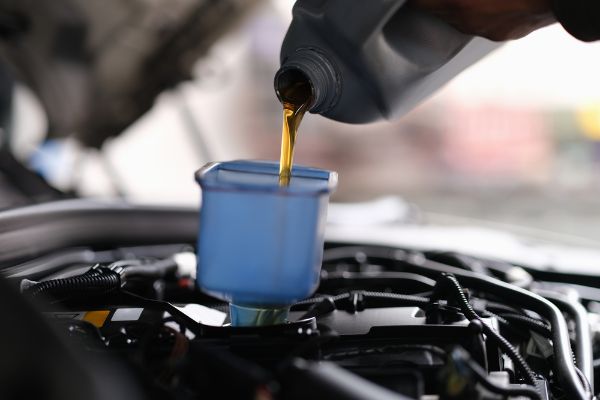
Regular maintenance plays an important role in keeping your vehicle dependable, and knowing the signs your car needs an oil change can help protect your engine from unnecessary wear. Engine oil keeps internal components lubricated, reduces friction, helps control heat, and supports smooth engine operation. Over time, oil becomes less effective as it collects contaminants and breaks down.
Understanding common oil change warning signs allows you to stay ahead of routine maintenance and keep your vehicle performing properly. Here are 10 signs that your car may need an oil change.
1. Your Oil Change Warning Light Appears
Modern vehicles are equipped with dashboard indicators that alert drivers when maintenance may be needed. If your oil change reminder or oil warning light comes on, it is an important signal to check your oil level and maintenance schedule.
Ignoring dashboard warnings can make it harder to identify potential engine issues early. Always refer to your vehicle owner's manual for recommended maintenance intervals.
2. Your Engine Oil Looks Dark or Dirty
One of the easiest ways to check your oil is by inspecting its appearance. Fresh engine oil is usually smooth and amber-colored. As oil ages, it collects dirt, debris, and other contaminants, causing it to become darker and thicker.
Dirty oil may no longer provide the same level of lubrication your engine needs, making regular oil changes an important part of vehicle care.
3. Your Engine Sounds Louder Than Normal
Engine oil creates a protective layer between moving parts inside your engine. When oil becomes old or contaminated, the engine may experience increased friction.
If you notice louder engine sounds, ticking, or unusual noises while driving, it may be a sign that your oil needs attention.
4. You Notice a Burning Oil Smell
A burning oil odor can be a warning sign that oil is overheating or contacting hot engine components. This smell may indicate that your vehicle needs an inspection to determine the cause.
Paying attention to unusual smells is an important part of identifying maintenance concerns early.
5. Your Exhaust Smoke Changes
Exhaust vapor is normal in many situations, but unusual or persistent smoke can indicate an engine-related concern. Changes in exhaust appearance may be connected to oil condition or other mechanical issues.
If you notice a change, having the vehicle checked can help identify the source.
6. Your Engine Feels Rough or Vibrates
Clean oil helps engine parts move smoothly. When oil becomes worn, reduced lubrication can contribute to rough operation, vibrations, or an uneven driving experience.
A smoother-running engine is often a sign that your vehicle is receiving proper maintenance.
7. Your Oil Level Is Low
Checking your oil level between maintenance visits is a simple way to monitor your engine's condition. Low oil levels can reduce lubrication and may affect engine performance.
If your oil level frequently drops, your vehicle should be inspected to determine why.
8. You Have Reached Your Recommended Oil Change Interval
Every vehicle has specific guidelines for when to change engine oil. These recommendations vary depending on the vehicle model, driving conditions, and oil type.
Following your manufacturer's maintenance schedule helps ensure your engine receives the care it needs.
9. Your Vehicle Does Not Perform Like It Normally Does
Old oil can affect how efficiently your engine operates. If your vehicle feels less responsive, struggles to run smoothly, or seems different during normal driving, outdated engine oil may be a contributing factor.
Regular maintenance helps maintain consistent vehicle performance.
10. Your Oil Has a Sludgy or Thick Appearance
When inspecting your oil, look for signs of sludge or a thick, gritty texture. These changes can indicate that contaminants have built up inside the oil.
Clean engine oil should move smoothly and provide reliable lubrication throughout the engine.
Stay Ahead of Oil Change Warning Signs
Recognizing the signs your car needs an oil change is an important part of responsible vehicle ownership. From dark oil and unusual engine sounds to dashboard warnings and performance changes, these indicators can help you understand when your vehicle may need maintenance.
Following a regular oil change schedule with Broomfield Automotive and paying attention to your vehicle's warning signs can help support engine health, improve reliability, and keep your car running smoothly for the road ahead.